How to Decide What Movie to Watch (Even With Too Many Choices)
Struggling to decide what movie to watch? Learn how to choose movies wisely, avoid regret, and make better viewing decisions even with too many options.
Jan. 20, 2026
If choosing a movie feels harder than it should, you’re not alone.
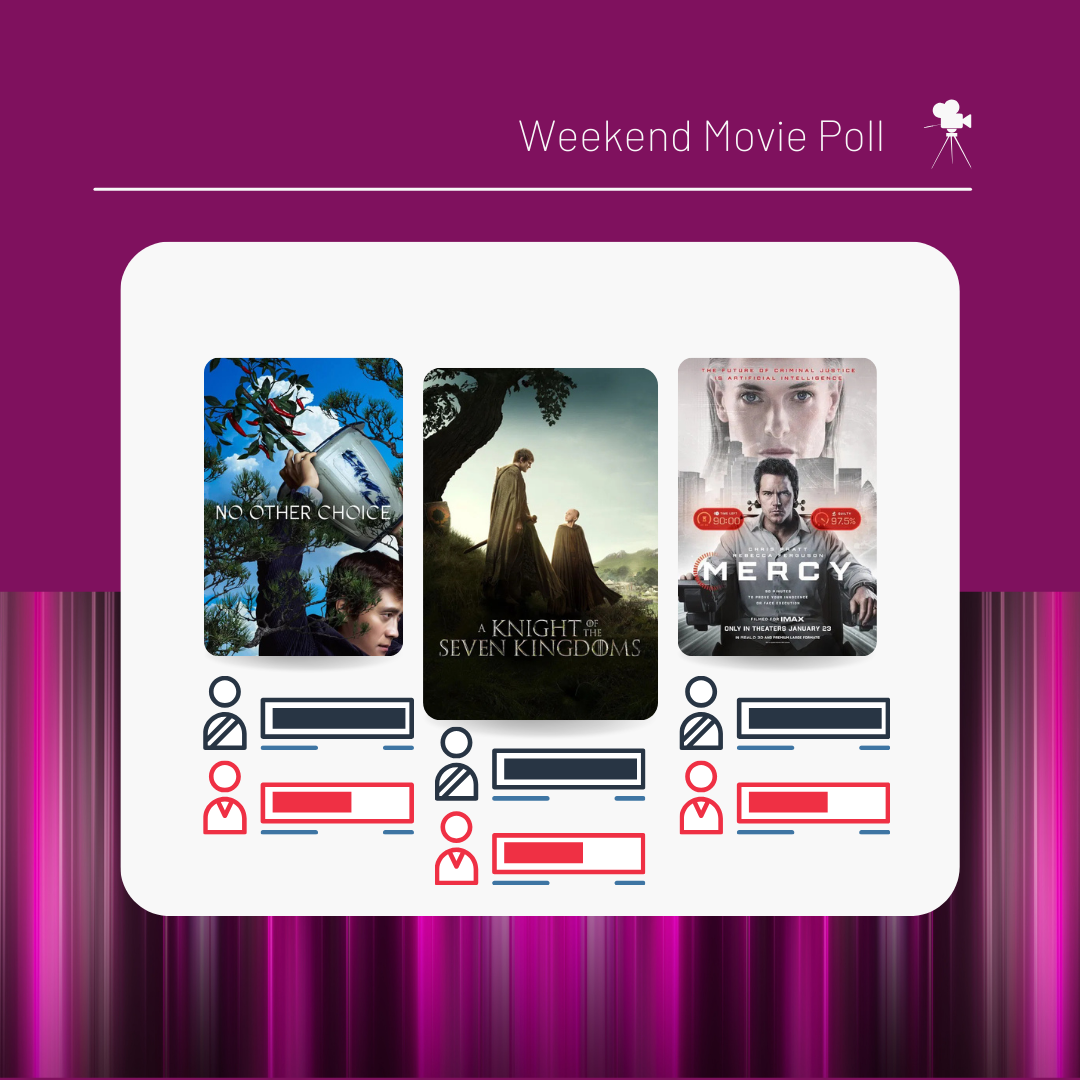
Between cinemas, streaming platforms, trailers, social media hype, and endless recommendations, deciding what to watch has quietly become overwhelming. Ironically, the more choices we have, the harder it is to make a satisfying decision.
And that’s why many people end up watching movies they regret, or spending more time choosing than actually watching.
The good news?
Deciding what movie to watch doesn’t have to be a gamble.
Why Choosing a Movie Feels So Hard Today
We’re living in an age of content overload.
Streaming platforms like Netflix and Prime Video add new titles weekly. Social media pushes trending clips out of context. Marketing campaigns make almost every movie look like a must-watch. And traditional ratings rarely tell the full story.
The result? Viewers often press play without truly knowing:
- What kind of experience the movie offers
- Whether the content aligns with their values or mood
- If it’s actually worth their time
This disconnect is what leads to frustration, disappointment, and post-movie regret.
Step 1: Know What You’re in the Mood For (Before You Search)
The biggest mistake people make is searching for “something good” without defining what “good” means to them at that moment.
Before browsing, ask yourself:
- Do I want something light or serious?
- Am I watching alone, with family, or with kids?
- Do I want entertainment, inspiration, or emotional depth?
- Am I mentally ready for intense themes?
Movies hit differently depending on timing, context, and mindset. A great film at the wrong moment can still feel like a bad choice.
Step 2: Look Beyond Hype and Marketing
Trailers are designed to sell, not to inform.
A movie can be popular, well-marketed, or trending and still not be right for you. Hype often focuses on spectacle, star power, or shock value, not whether the content matches your expectations.
Instead of asking “Is this movie popular?”, ask:
- What are real viewers saying after watching it?
- What parts of the movie stood out to them, positively or negatively?
- Are people recommending it for the same reasons I’d enjoy it?
This is where honest, experience-based reviews matter more than promotional noise.
Step 3: Understand the Content, Not Just the Rating
Age ratings are helpful, but they’re limited.
They don’t always explain why a movie is rated a certain way or what kind of themes, scenes, or intensity to expect. Two movies with the same rating can feel completely different.
Understanding content in advance helps you avoid surprises, especially if you’re watching with family, children, or based on personal values.
Knowing what’s in a movie isn’t about censorship. It’s about preparedness.
Step 4: Use Viewer Feedback as a Decision Tool
One of the most reliable ways to decide what to watch is by learning from people who’ve already watched it.
Real viewer feedback can tell you:
- Whether the story delivers on its promise
- If the pacing holds up
- How emotionally intense or disturbing the content is
- Whether expectations matched reality
Beyond helping viewers, this kind of feedback also helps filmmakers understand how their stories land—creating a healthier connection between creators and audiences.
Step 5: Choose Intentionally, Not Randomly
Not every free evening needs a movie.
But when you do choose one, it should feel worth it.
Intentional viewing means:
- Picking movies that fit your current needs
- Respecting your time and mental space
- Making informed choices instead of rushed ones
When viewers choose intentionally, entertainment becomes more satisfying, and regret becomes rare.
A Better Way to Decide What to Watch
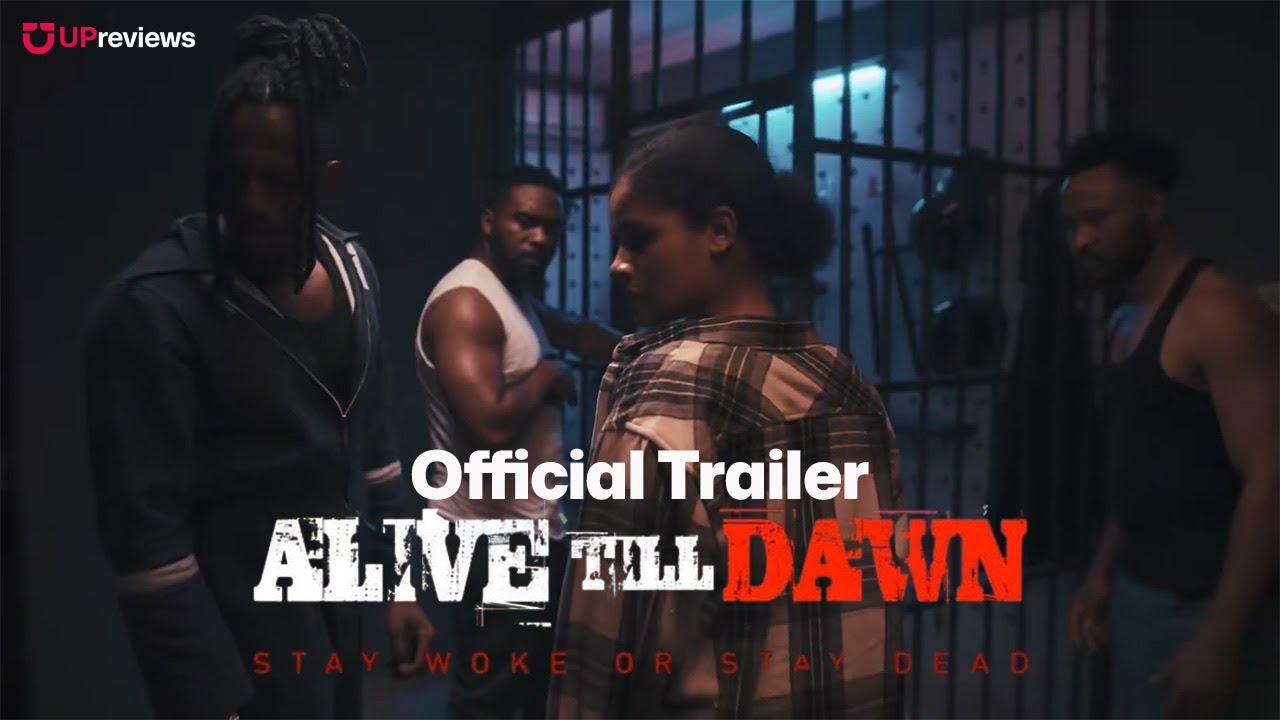
Platforms like UPreviews exist because people deserve more clarity before they commit their time.
By combining:
- Honest reviews from real viewers
- Structured tools like the Viewers’ Guide that explain content clearly
UPreviews helps people decide what to watch with confidence, not guesswork.
Because watching a movie should feel like a choice you made consciously, not a risk you took.
Final Thoughts
With endless options everywhere, the best movie choice isn’t the loudest or most popular one; it’s the one that fits you.
When you understand your mood, look past hype, check real feedback, and know what content to expect, choosing a movie becomes easier, faster, and far more rewarding.
Your time matters.
Your values matter.
And entertainment should respect both.
Comments

Smarter Movie Choices Start Here.
Movies should be enjoyable, not disappointing. UPreviews helps you choose what to watch with real viewer reviews, clear content insights, and smart recommendations, so your time is never wasted.
Honest reviews and ratings from people who've actually watched the movie. No hype. No trailers. Just real experiences.
Clear content insights to help you decide if a movie aligns with your values, faith, or comfort level, before you watch.
AI-Powered Personalised movie suggestions based on your taste and viewing history. Less scrolling. Better picks.
Join the UPrators' Corner to share opinions, start conversations, and see what others are really saying.